Night flow analysis on a school meter
Overnight readings help identify unexplained water use. They are evidence for investigation, not proof that every litre passing the meter is leakage.
Updated . Published .
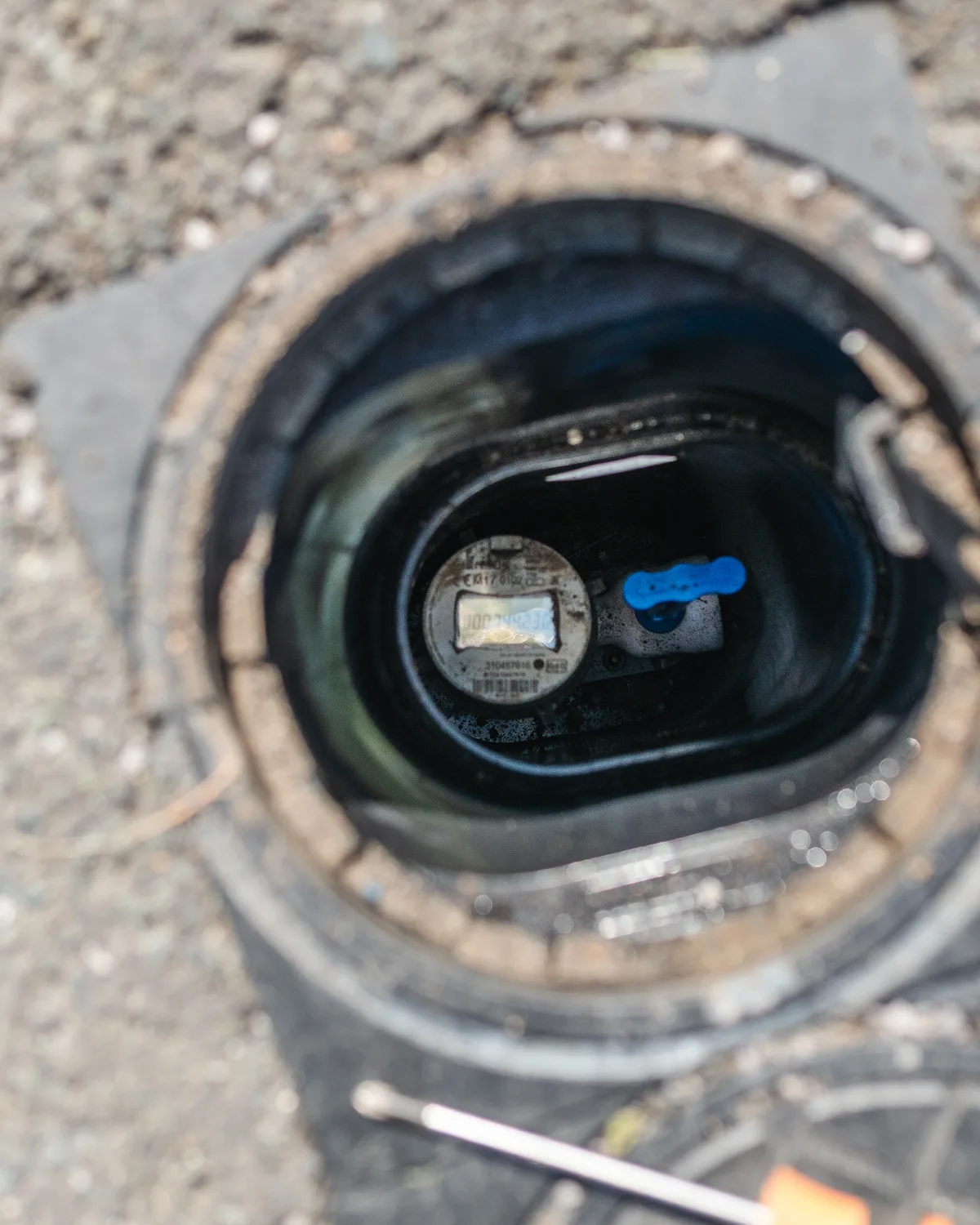
Choose the quiet period for your site
Use the school’s activity and equipment schedules to identify a suitable window. Boarding, irrigation, cleaning, pool make-up water and water-treatment cycles can all affect overnight use. A fixed clock window is not a universal no-use period.
Measure average or minimum flow
For a manual check, record the meter before and after the chosen period. Divide the volume difference by the elapsed hours to calculate average hourly consumption. Check the units before comparing readings. Repeat across several comparable nights to see whether the result is consistent.
Interval data can show shorter periods within the night, but the apparent minimum depends on the recording interval and meter resolution. Ask the data provider what each value represents.
Interpret the result with the operating records
A persistent unexplained flow may indicate a leaking fitting, pipework fault or unrecorded use. Variable flow can also come from intermittent faults. Record equipment schedules, then ask a competent person to investigate any remaining unexplained demand; the shape of the trace alone does not locate a leak.
Water use and meter data: common questions
Is the overnight average the leak rate?
Only if other consumption has been accounted for and the suspected loss is reasonably steady during the interval. Otherwise describe it as measured overnight use, not a confirmed leak rate.
How many nights should we record?
Several comparable nights are a useful starting point. There is no universal minimum that guarantees detection; extend the observation period if equipment cycles or occupancy vary.
Sources for this page
- Source: Water Plus, Your water audit guide (opens in a new tab) ().
- Source: Health and Safety Executive, HSG274 Part 2: control of legionella in hot and cold water systems (opens in a new tab) ().
Last reviewed . How this site sources and dates its figures.