SCHOOL LEAK DETECTION
Drainage and CCTV surveys on school sites
Investigate damaged drains and concealed drainage routes.
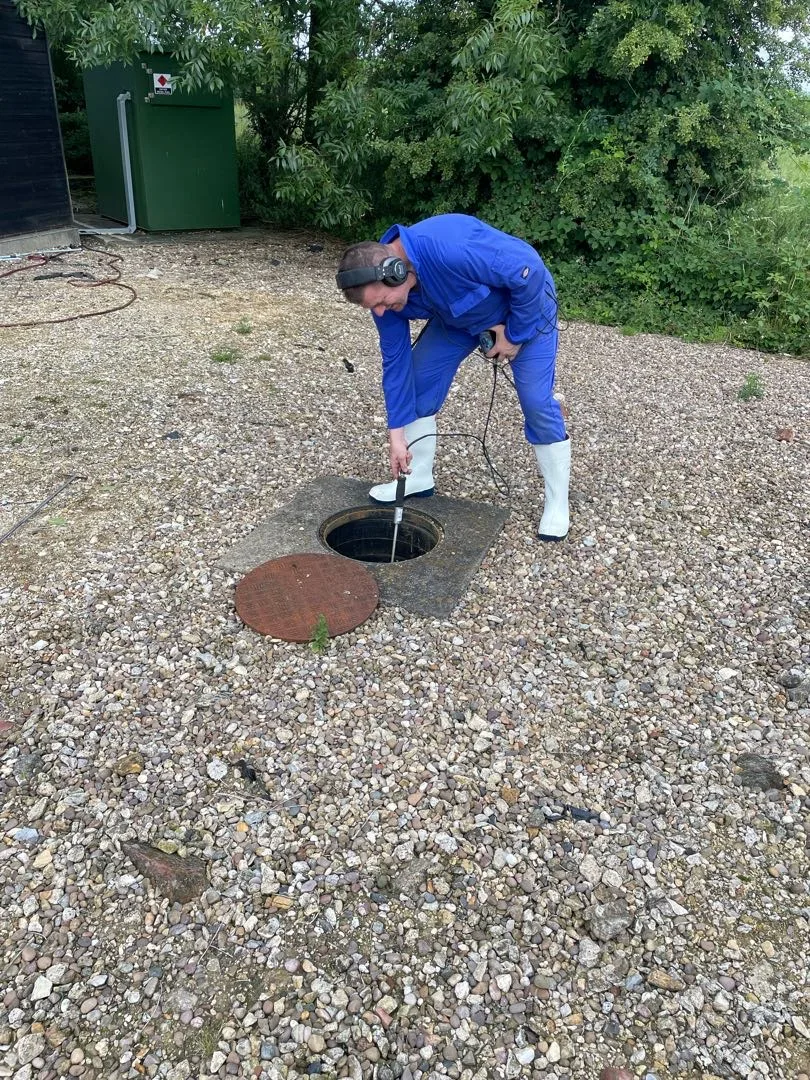
A drainage defect and a water leak produce similar wet ground, so a CCTV survey confirms which it is before anyone excavates the wrong service.
WHAT TO LOOK FOR
Leak symptoms and common faults
- Root ingress from mature trees on school grounds
- Recurring blockages in the same run, worse in summer
- Collapsed clay drain under a playground or car park
- Depression in the surface and standing water after rain
- Displaced joint or misconnection after later building work
- A run that surcharges only when a particular building is in use
- Fat and food waste from a catering kitchen
- Blockages concentrated downstream of the kitchen gully
- Surface water connected into a foul run or vice versa
- Foul surcharging in heavy rain, or a soakaway running foul
Telling a drainage defect from a water leak
Both produce wet ground and both are underground, so it is worth spending ten minutes distinguishing them before commissioning either survey.
- A supply leak runs continuously, including overnight and through the holidays, and shows on the water meter
- A drainage defect only produces water when something is discharged, so it follows the school day and stops at weekends
- A supply leak produces clean water; a foul drainage defect does not, and usually announces itself
- Surface water drainage problems appear after rain and not otherwise
If the meter shows overnight flow, start with the supply. If it does not, and the ground is wet, start with the drains.
What a CCTV survey actually tells you
A camera run gives you the condition of the pipe, the position and depth of defects, and a plan of where the runs actually go. On a school site that last item is often the most valuable output, because the drainage plan in the estates file predates two extensions and a car park.
Defects are reported against a standard coding system, which matters if the report is going to support a funding bid or a claim: a coded, dated survey is evidence, a video with commentary is an opinion.
How a school drainage survey is run
- Lift and record every accessible manhole and inspection chamber to establish the network
- Run the camera between chambers, recording defects, gradients and connections
- Trace runs where chambers are missing, using a sonde in the camera head to locate position and depth from the surface
- Produce a plan of the network with defects marked, and a recommendation split into urgent, planned and monitor
Running the survey around a working school
Open manholes and children do not mix, so this work is either done outside school hours or with a properly barriered exclusion zone and someone at the chamber at all times. Most schools prefer it in a holiday or on an inset day.
Where a survey needs to run through a kitchen gully or a science drain, expect additional constraints: the kitchen has its own hygiene regime and the science drains may carry chemical residues.
Arrange a school leak detection survey
School leak survey questions
Do we need a drainage survey or a leak detection survey?
Check the water meter overnight first. Movement on the meter with the site closed points to a pressurised supply leak. No movement, with wet ground that follows the school day or heavy rain, points to drainage. The two surveys are different jobs and the meter tells you which to buy.
Can a drain survey be done in term time?
Yes, with proper exclusion around open chambers, and most schools prefer the work outside teaching hours anyway. Manholes in playgrounds and circulation routes are the ones that need scheduling around the day.
Our drains block every year in the same place. Is that a survey job?
Yes, and it will usually pay for itself. Repeat blockage in one run almost always means a physical defect, most often root ingress or a displaced joint, and clearing it annually treats the symptom indefinitely.
Sources for this page
Last reviewed . How this site sources and dates its figures.