Reading a school water bill
A school water bill should be checked against the correct meter, reading dates and tariff before an increase is attributed to leakage.
Updated . Published .
These figures are restated annually. Checked .
Identify the account and charge basis
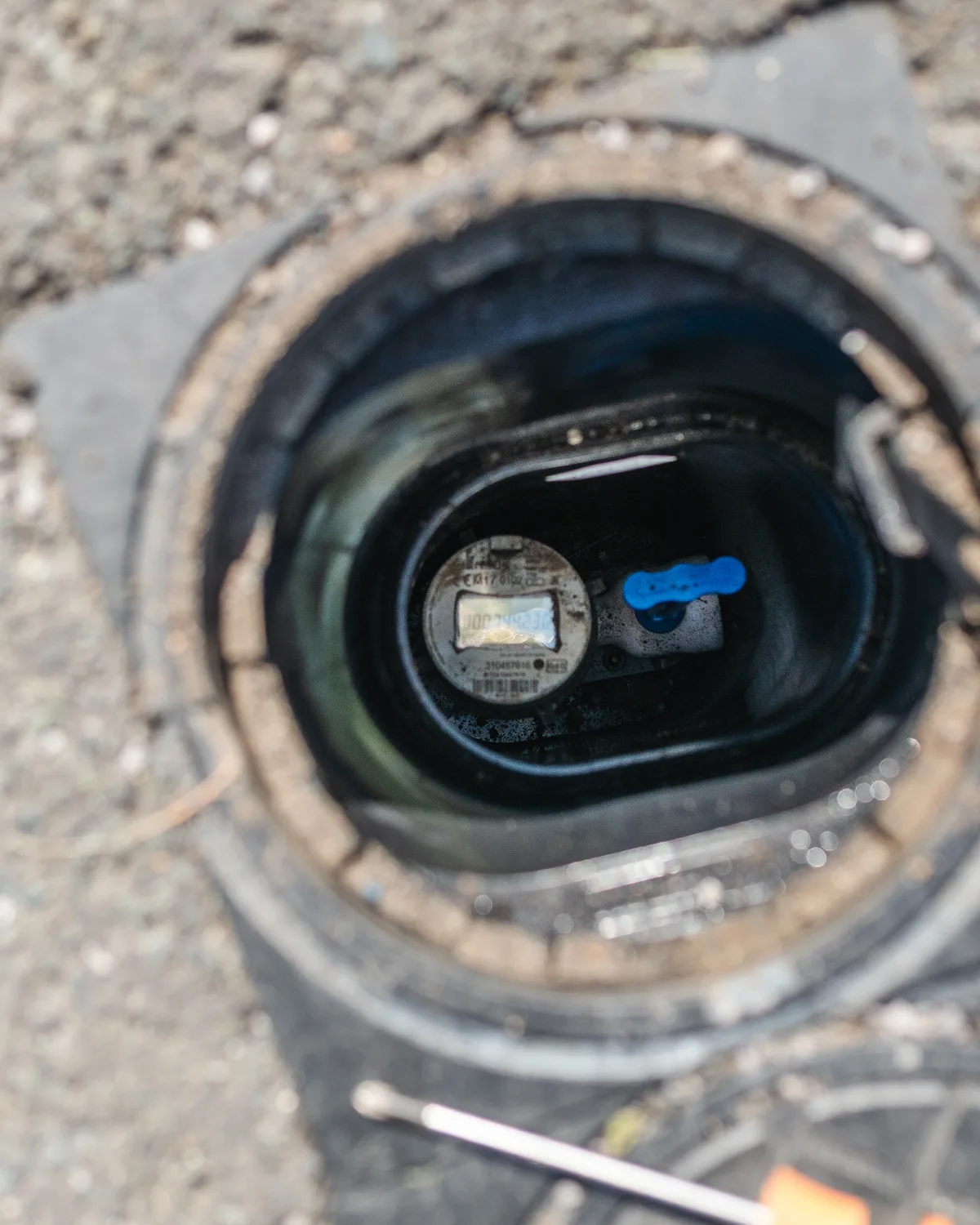
Check the premises, meter serial number, billing period and whether readings are actual or estimated. Bills may combine water, sewerage, drainage and fixed charges. Ask the provider to explain any line you cannot reconcile with the account.
Retail arrangements differ across the UK. Ofwat’s eligibility rules apply to England and Wales; the English switching arrangements should not be assumed to apply to every school in Wales, Scotland or Northern Ireland.
Reconcile estimates with actual readings
Estimated readings can delay the appearance of extra consumption on a bill. They can also overstate use. Supply a safe, dated actual reading through the provider’s process and ask how any reconciliation has been calculated. An increase in the amount charged can result from a rate change as well as a change in volume.
Estimate loss costs without overstating them
For an assumed continuous loss of 1 litre per minute, a 365-day year would contain 525,600 litres, or 525.6 cubic metres. This is an arithmetic example, not a measured school loss. Actual cost depends on the duration, flow and applicable tariffs.
Apply the water rate and any wastewater charge relevant to that volume. Check non-return-to-sewer arrangements and leakage-allowance rules with the provider. Record assumptions and exclusions, including VAT where relevant; a calculation is not a refund entitlement.
Water use and meter data: common questions
Can the school recover charges for leaked water?
Some providers offer leakage allowances or sewerage adjustments, subject to their rules and evidence requirements. Contact the provider promptly, keep repair records and do not assume that all losses qualify.
What should we query first on an unexpected bill?
Check the meter and premises, the dates and reading type, then the volumes and rates. Give the provider your records and ask it to explain the difference before attributing the increase to a leak.
Sources for this page
- Source: GOV.UK, Water and sewerage rates for businesses (opens in a new tab) ().
- Source: Ofwat, Who is eligible to switch water retailer? (opens in a new tab) ().
- Source: Water Plus, Documents and guides: tariffs and non-return to sewer (opens in a new tab) (). This figure is restated annually; check the current edition.
Last reviewed . How this site sources and dates its figures.